Saving money is crucial nowadays, and with the cost of living constantly rising, cutting down on expenditure across different areas of our lives is non-negotiable. One area is food, which encompasses grocery shopping, eating out and ordering takeaways.
Considering how food prices have risen, it is more important than ever for UK households to keep an eye on their spending and know how to save money on food. Here at Love Discount Vouchers, we regularly track and provide discounts from supermarkets, takeaway services and restaurants, to help consumers save.
In this guide, we have put together practical ways to reduce your spending on food and help you save money in the long run without giving up your favourite foods.
- Ways to save on food shopping
- Saving money on takeaways and restaurants
- Saving on food delivery and dining
- FAQs
How to Save Money on Your Groceries
 With increasing costs of food and energy, consumers across the country are feeling the pinch. Over time, inflation has made it harder for consumers to keep up with their regular food purchases. While food inflation currently sits at just above 2% (as of June 2026) and is not accelerating as rapidly as expected, it is still hitting hard, according to The Food Foundation .
Considering data from The Office for National Statistics that found families spent £73.70 per week on food, finding ways to save money on food while maintaining nutritional intake is needed. Here are 8 practical ways this could be done:
1. Create a meal plan
Meal planning is exactly that: planning out meals in advance, along with any of the ingredients needed. When you have an idea of what you will be eating in the coming week, you reduce the stress of worrying about what you will cook at the end of each day and, over time, make grocery shopping easier.
When it comes to saving money, both short and long-term, meal planning:
- prevents overbuying and impulse buying, which reduces food waste
- reduces the chances of last-minute takeaway purchases
- makes it easier to budget for certain food items
A few ways to meal plan include:
- cooking in bulk
- cooking and portioning different meals ahead of time and freezing them
- preparing ingredients ahead of time
2. Look in your kitchen cupboards and fridge
Before grocery shopping, the first step is to take inventory of what you don’t have before writing out a grocery list. However, before jumping straight to your grocery list, take a closer look at what you do have.
You may not know it, but your cupboards and fridge may already have enough ingredients for a meal. Even if there isn’t enough for a full meal or a few meals, you will have an idea of how much more you need. Additionally, you could find items near their expiration date that can still be used to cook.
Essentially, taking inventory of what you already have helps you save by:
- reducing overbuying certain foods that could lead to food waste, which costs the average UK household £470 per year, according to Food Hygiene Certificate.
- reducing the chance of last-minute trips to the store for missed ingredients, which can result in overspending
3. Write a detailed shopping list and stick to it
You have a meal plan and know what is missing from your kitchen. Now is the time to write out a grocery list based on that and your budget. Extensive planning ahead of time can go to waste if you don’t follow the script, which is the shopping list.
If you are doing your grocery shopping in person, organise your grocery shopping list according to store or food categories. For example, list bread and buns together, canned vegetables together and so forth. This cuts down your time shopping, ensuring you don’t go back and forth in the store and potentially buying extra items you don’t need.
For online food shopping, having a grocery list is still a must. Similar to when you are shopping in-store, keep track of what you are buying and how much your total is as you go. You can also have a set amount to spend beforehand.
When shopping online for your groceries, it can be easier to spot discounted items and having a shopping list on hand can help you stay on track (but buying some essentials in bulk on special is also good).
“Remember to eat something before grocery shopping, online or in-store. Shopping on an empty stomach makes it more likely to spend more than you intended to,” says Marylyn Ncube, Love Discount Vouchers’ money-saving pro.
4. Invest in staple food items
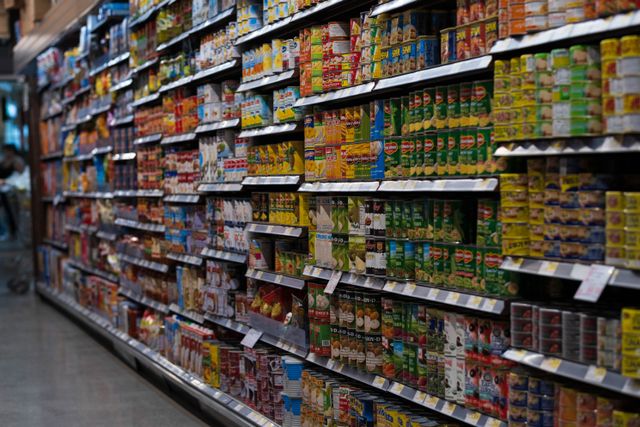
Staple food items often have long shelf lives and are versatile, meaning you can create a variety of meals with them. These often include:
- rice
- pasta
- beans and legumes
- oats
- frozen vegetables
- canned/tinned food
Considering how long they last and their versatility, you can get more out of these staples as compared to fresh vegetables and meat. Staple items can often be found on sale or special, are suitable for cooking in bulk and can be used to create highly nutritious meals at a fraction of the cost of fresh food items.
5. Cook in bulk
Part of meal planning includes cooking in bulk and meal prepping, whether that is cooking a single meal in large quantities or cooking different meals for the whole week ahead of time.
By doing this, you:
- reduce food waste by cooking fresh vegetables and meat, and extending their shelf life through refrigeration or freezing
- save energy by cooking once as opposed to cooking every day
- reduce unnecessary spending on takeaways or extra groceries through the week
- make the most of staple food items that have been bought in bulk
6. Swap out items for cheaper alternatives
A contributing factor to a high grocery bill is the price of branded or fresh items. Rather than purchasing items from big brands, opt for supermarket brand items. Go-to items such as sugar, canned food, condiments and more can be switched from branded to store-brand with little to no change in quality.
A similar approach can be applied to ingredients. If meals call for fresh herbs or ingredients, try swapping them out. Fresh herbs can be swapped out with dried herbs, fresh vegetables can be swapped out with frozen vegetables and so forth. This will save you money in the long run since you won’t have to buy fresh ingredients each time, and the dried and frozen alternatives will last long enough to be used in multiple meals over a period of time.
7. Shop for reduced and yellow sticker items
When food items are near their expiration date, supermarkets will often sell them at discounted prices and place yellow stickers on them. Shopping for these yellow sticker deals and any other reduced items can help you save on your overall bill.
The key is to buy food that you plan on cooking and eating that same day or freezing to eat throughout the week. Simply buying these reduced items and leaving them in your cupboard or fridge can lead to food waste, ultimately meaning you lose money.
Based on advice from The Independent, the best times to check your supermarket for yellow sticker deals are midweek and Sundays. From late afternoon to early evening, you can find a variety of yellow sticker deals.
8. Take advantage of loyalty memberships
Supermarkets offer customers loyalty programs, and if you are not a member, you could be missing out on member deals. Membership offers can range from earning points that can later be used on purchases to member prices on items.
Some supermarket loyalty memberships to consider:
- Tesco Clubcard - Offers access to Clubcard Prices on selected products at Tesco and 1 point for £1 spent in-store and online.
- Sainsburys Nectar - Offers access to lower prices on selected products and 1 point for every £1 spent at Sainsbury's and selected partners.
- Asda Rewards - Available through a mobile app to earn and collect pounds that can be converted to vouchers by buying selected products or completing missions.
- Morrisons More - Offers access to member-only prices in-store and online, and 5 points on purchases.
There are also verified Supermarket voucher codes to help you save extra money.
Saving Money on Takeaways and Restaurants
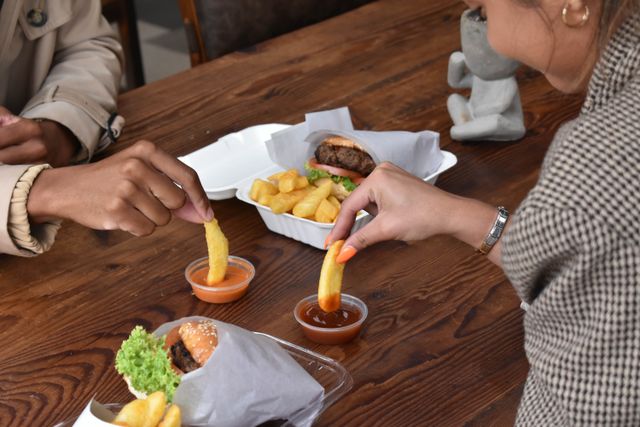 Despite the rising cost of food and the efforts to save money as a result of this, treating yourself to the occasional takeaway or restaurant visit is still very much possible. With a solid budget in place, eating out won’t be something you have to try to cut back on. Here are ways that you can save money when planning a restaurant visit or when ordering in:
9. Set a budget
Similar to when you are grocery shopping, having a budget before you go out or order in is good practice. Whether you are ordering takeaway or eating out at a restaurant, set an amount that you can comfortably spend.
For eating out at restaurants, setting a spending limit beforehand can be challenging. However, you can check if the restaurants you are considering have their menus online, and you can check their prices first.
10. Order enough for more than one sitting
When ordering takeaway on takeaway and delivery apps, service fees are charged based on your order total and exclude the delivery fee. Ordering a single meal only for lunch or dinner can end up costing you more than you planned in the moment and in the long term.
To minimise this, you can place an order that is large enough to keep you covered for a few dinners and lunches. Not only would you save money by minimising the need to keep placing orders, but you could also get discounts or free delivery by meeting a certain order threshold.
11. Collect your order
As previously mentioned, the service and delivery fees on takeaway and delivery apps can add up. However, you can save money by choosing to collect your order rather than having it delivered.
This option works best if you live close to your chosen takeaway joint. If possible, you can also make it a night/day out by placing your order online to avoid long lines or wait times. Once your order is ready, you can head out, sit down and eat.
12. Order in and eat out at certain times
When you eat can be just as important as where you eat. People usually save takeaways as a treat for the weekends, but weekends tend to be the peak times for restaurants. Not only are weekends the busiest time, meaning it may take a bit longer to get your food, there is also less of a chance to find savings deals.
Eating out and ordering in during off-peak times is one of the best ways to save money. This is typically during the week, with restaurants offering special discounts and deals. Some ways to get the best food savings deals during the week or off-peak hours include:
- Checking out Just Eat every Tuesday for their Cheeky Tuesday deal that offers 20% off local favourites on orders of £15 or more.
- Looking for restaurants that offer time-based deals, such as lunch or mid-day deals at 12 pm.
- Opting to eat out for lunch rather than dinner, as dinner menus or prices tend to be higher.
- Looking for restaurants that offer set menu deals, which bundle different starters, mains and desserts at a lower or fixed price. Consider Miller & Carter for their mid-week set menu and Sunday set menu.
13. Try out affordable dining options
The appeal of high-end restaurants is understandable, but they aren’t the most budget-friendly option. If you still want a sit-down dining experience as opposed to ordering in, which can be a cheaper option than going to restaurants in some cases, there are some affordable options.
These include:
- All you can eat buffets, where you can get more out of your money, especially with the variety of food that you can find.
- Local pubs like the Hungry Horse that offers different daily deals such as Buy One, Get One for £1 on selected burgers and Big Plate Specials from £10.
- Cafes for breakfast and lunch.
14. Sign up for loyalty cards and dining clubs
Similar to supermarkets, restaurants also offer loyalty programmes and have memberships that offer money-saving perks. From earning points that can be used on future orders to receiving discounts to use at restaurants, signing up for a membership or club can be worth it.
Here are some subscriptions and memberships worth giving a try:
- Discounts, 2 for 1 deals, peak hour deals and more across restaurants, diners, coffee shops and more with a tastecard subscription.
- 25% off food and coffee across a thousand restaurants, coffee shops and more with a gourmet society subscription.
- Earn points and rewards through the Masters of Steak Club from Miller & Carter.
- 25% off a meal by signing up for Harvester Flavour Rewards. Additionally, collect food stamps for food and drink offers.
15. Take your leftovers home
If you find yourself feeling full but you still have food on your plate, ask for a doggy bag. In cases where a restaurant provides generous servings, your leftovers could become your next meal later on or the following day. You can also order extra food with the intention of saving it for tomorrow’s lunch.
Use Discount Codes and Vouchers for Food Delivery and Dining
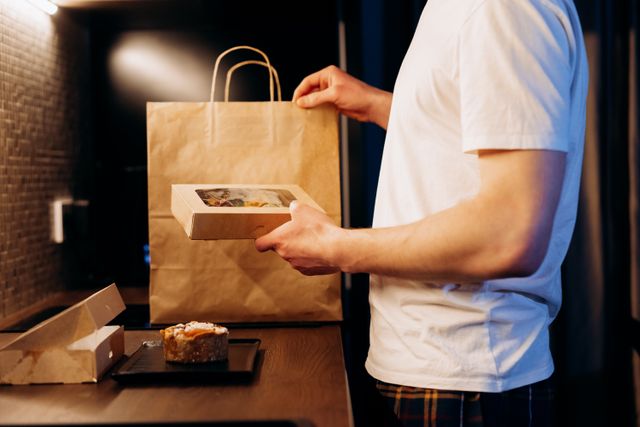 Your favourite restaurants and takeaway spots often offer a variety of deals and offers online that you can check before going out or ordering in, and here at Love Discount Vouchers, we have deals to save on takeaway and delivery that are updated daily.
Deals that will lower your food bill to keep an eye out for include:
- Kids eat free or for £1 deals
- 2 for 1 deals
- Happy hour deals
- Off-peak and lunch specials
- Set menu deals
- Free delivery offers
- Restaurant discount codes
16. Sign up for newsletters
If you enjoy eating at certain restaurants and frequent them often, you can sign up or subscribe to their newsletters to stay up to date with their latest specials and offers. Some restaurants may even offer a special discount for signing up for their newsletter.
17. Order directly from the restaurant
Delivery apps are convenient as they have all your favourite food spots in one place, but with their service and delivery fees, you end up paying more money for your meal than what a restaurant typically charges.
You can avoid these extra charges by ordering directly from the restaurant on their website or dedicated app. If that option is not available, you can still save on delivery costs from platforms such as Uber Eats and Deliveroo.
18. Take advantage of student discounts
As a student, money can be tight, and grocery shopping probably already makes you feel the pinch. It may seem like takeaway or eating out is completely out of the question, but it doesn’t have to be, thanks to special student discounts.
Whether you want to eat at a restaurant or order takeaway, here are student discount offers that you can take advantage of with valid student identification:
- 20% off food on Sundays to Thursdays (excluding deals and buffet) at Pizza Hut
- Free delivery on orders over £15 at restaurants and £25 at stores, exclusive offers and rewards with Free Deliveroo Plus Silver for 3 years.
19. Sign up for a coffee club or membership
A daily cup of coffee definitely adds up, and signing up for a coffee club or membership can help you save. Here is how you can save on your coffee:
- Bring your own mug in to get a discount and also contribute to reducing the use of disposable cups.
- Sign up to gourmet society for access to coffee deals at various chain and independent coffee shops
- Sign up to tastecard to be part of their coffee club, which offers 25% off barista-made drinks at Caffè Nero and thousands of other independent coffee shops across the country.
FAQs about Saving Money on Groceries, Takeaways and Restaurants
1. What's the cheapest supermarket in the UK?
According to Which?, the cheapest supermarket in the UK is Aldi as of May 2026. Lidl, Asda, Tesco, Sainsburys and Waitrose followed as cheap and affordable supermarkets.
2. Is it cheaper to cook or order takeaway?
Cooking at home is the cheapest option. Home-cooked meals generally offer larger portions than takeaway meals. However, ordering takeaways in bulk and making multiple meals out of one order can be cheaper for individuals who live alone.
3. How can I save money on takeaways and delivery fees?
If possible, order directly from the restaurant website. You can also use Takeaway & Delivery discount codes to reduce the overall cost of your order and delivery fees.
4. How can I save while eating out?
To save while eating out, you can opt for lunch outings or eat from the lunch menus, which are often cheaper. When going out with others, you can share appetisers and mains to avoid ordering more than you can eat.
5. Are voucher codes worth using?
Yes, they are. Voucher codes can unlock instant discounts and savings on purchases. Savings can range from free delivery to extra discounts, even on items for sale.
Find out how to Save Money on Food with Love Discount Vouchers
You don’t have to cut eating out or ordering takeaways out of your life to keep up with the rising cost of living. Once you know how to save money on food shopping and take advantage of deals on takeaways, you can comfortably hit the supermarkets and still treat yourself to occasional non-home-cooked meals.